






















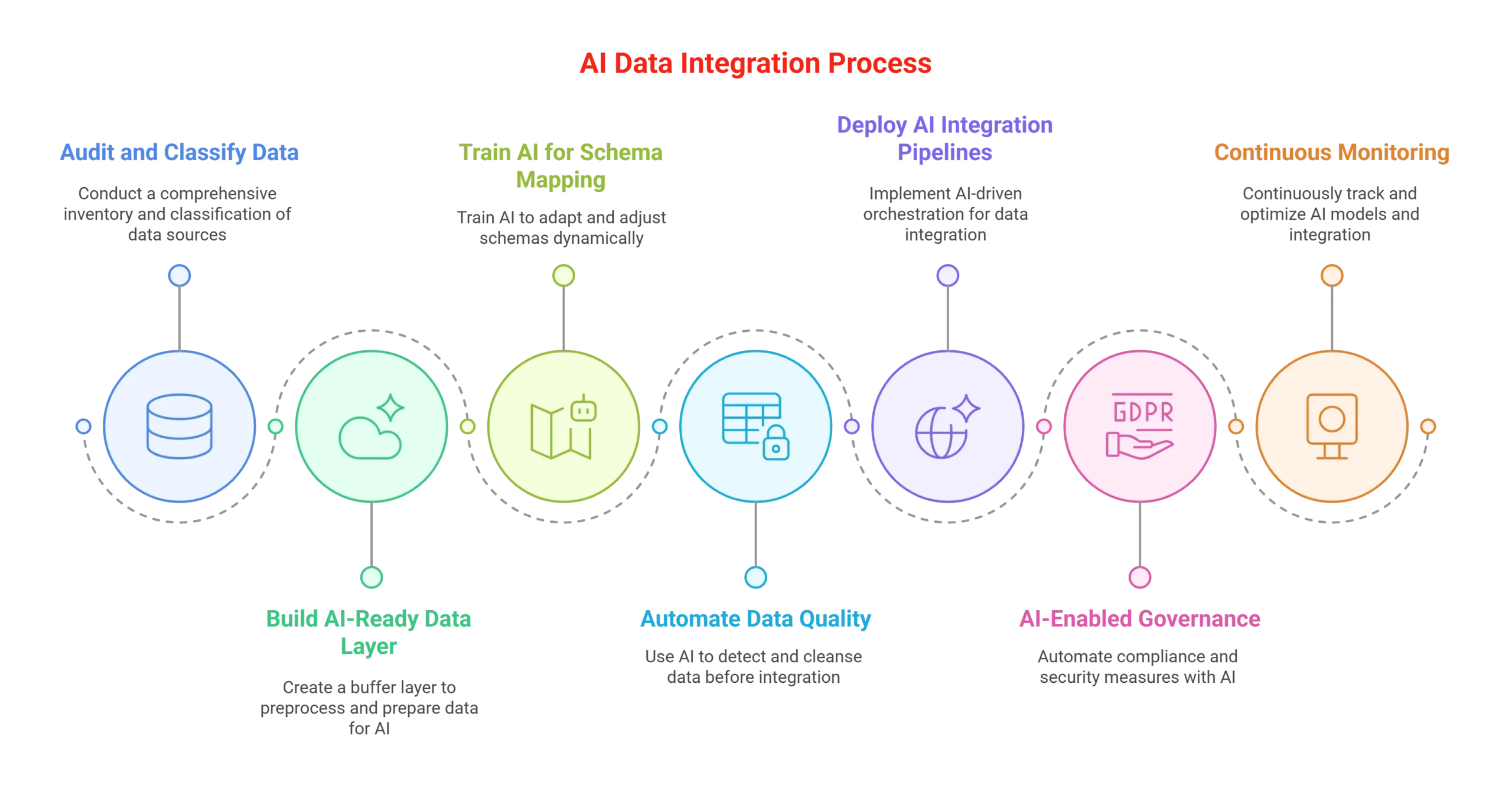
How Data Integration Software Is Powering the AI-Driven Enterprise Era
The data integration software market has
become a critical pillar of modern enterprise architecture as organisations
struggle to manage, unify, and operationalize data generated across multiple
systems, platforms, and environments. Data integration software enables
seamless data ingestion, transformation, synchronisation, and governance across
on premise, cloud, hybrid, and multi-cloud infrastructures. As businesses
increasingly rely on real-time analytics, artificial intelligence, and
automation, the ability to deliver consistent, trusted data across the
enterprise has shifted from a technical requirement to a strategic imperative.
The global data
integration software market size is expected to be valued at US$ 6.8 billion in
2026 and is projected to reach US$ 16.1 billion by 2033, expanding at a strong
CAGR of 13.1% during the forecast period from 2026 to 2033. This rapid growth
is fuelled by the complexity of distributed IT environments, accelerating the adoption
of AI-driven integration platforms, and enterprise demand for real-time data
synchronization. Software platforms dominate the market due to their
scalability and automation capabilities, while North America leads
geographically because of early cloud adoption and advanced data-driven
business maturity.
The
data integration software market is witnessing sustained momentum as organisations
transition toward cloud-first and data-centric operating models. Enterprises
are increasingly operating across multi-cloud and hybrid environments, with
nearly 89% of organizations already adopting multi-cloud strategies,
significantly increasing data fragmentation. Data integration software plays a
central role in eliminating silos by enabling unified views of customer,
operational, and transactional data across disparate sources.
Large
enterprises currently dominate market adoption due to their complex data
ecosystems, regulatory obligations, and significant investments in analytics
and AI initiatives. However, small and medium-sized enterprises are emerging as
the fastest-growing adopters, driven by SaaS-based integration platforms that
reduce deployment costs and technical barriers. Regionally, North America
accounts for the largest market share due to strong enterprise IT spending and
cloud maturity, while Asia Pacific is expanding rapidly as governments and
enterprises invest heavily in digital transformation and smart infrastructure.
Market Segmentation Analysis
The data
integration software market is segmented based on deployment model, enterprise
size, component, and end-user industry. By deployment model, cloud-based data
integration platforms dominate due to their scalability, flexibility, and
ability to support real-time data flows across distributed environments.
On-premise solutions continue to serve highly regulated industries, but hybrid
deployment models are gaining traction as enterprises balance control with
agility.
By enterprise
size, large organizations account for the majority of revenue share as they
manage vast data volumes across ERP, CRM, analytics, and IoT platforms.
However, SMEs are increasingly adopting cloud-native integration tools to
enable data-driven decision-making without extensive infrastructure investment.
From an end-user perspective, industries such as BFSI, IT & telecom,
healthcare, retail, and manufacturing are key contributors, driven by the need
for unified analytics, compliance reporting, and operational visibility.
Leave A Comment