
















Microsoft Platforms Drive AI Modernization in Asia Pacific
Enterprises
across Asia Pacific are increasingly incorporating Microsoft cloud and AI
platforms into integrated operating environments as they respond to economic
uncertainty, evolving regulations and intensifying competition, according to a
new research report published by Information Services Group (ISG), a global AI-centered technology
research and advisory firm.
The 2026 ISG Provider Lens® Microsoft AI and Cloud Ecosystem
report for Asia Pacific finds that Microsoft platforms and services are playing
key roles in a broad transition from infrastructure modernization to AI-enabled
business transformation. Across Australia and New Zealand, Southeast Asia and
India, organizations are integrating cloud, data and AI capabilities into
business processes to improve operational efficiency, strengthen customer
engagement and make better use of enterprise information.
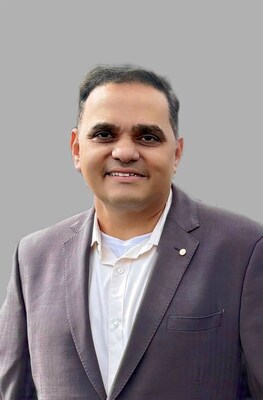
“In Asia Pacific, AI has quickly matured from an
experimental technology into the driving force of enterprise transformation,”
said Michael Gale, partner and regional leader, ISG Asia Pacific. “Enterprises
in this market increasingly view the Microsoft ecosystem as strategic to the
next phase of modernization.”
Organizations
throughout the region are bringing together Microsoft cloud, AI and
productivity platforms to create more unified operating environments. Rather
than treating AI adoption as a separate initiative, enterprises are embedding
AI capabilities into existing business processes to improve everyday
operations. This strategy helps to address continuing challenges around
fragmented data, legacy infrastructure and growing pressure to demonstrate
measurable returns on technology investments. Modern, integrated environments
help employees automate routine work, gain access to information and generate
insights that support faster, more informed decisions.
Changing enterprise priorities around security, regulation
and operational resilience are also influencing Microsoft adoption in Asia
Pacific. Organizations are adopting responsible AI practices and secure cloud
architectures that comply with evolving data sovereignty requirements.
Microsoft is making massive investments to support increased usage in the
region, including a $3 billion expansion framework across Asia Pacific and the
establishment of the company’s largest regional hyperscale data center in
Hyderabad, India. Many enterprises are adapting Microsoft technologies to
industry-specific operational needs, including digital public services,
financial operations, manufacturing and customer engagement, ISG says.
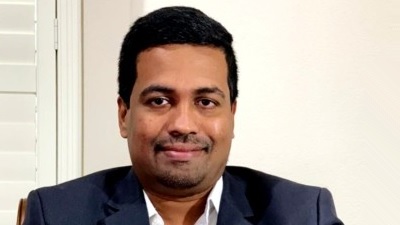
"Organizations that integrate cloud, data and AI
capabilities into a coherent modernization strategy, rather than pursuing them
piecemeal, see measurably better outcomes," said Siddharth Idnani, lead
author of the report. "Service providers play a critical role here, helping
enterprises embed Microsoft technologies into secure, scalable environments
built for the long term."
The report also explores other trends affecting Asia
Pacific enterprises, including the growing use of edge computing with cloud
environments and Microsoft’s significant investments in training to address a
regional shortage of AI and data engineering talent.
For
more insights into AI and cloud challenges in Asia Pacific that are relevant to
the Microsoft ecosystem, along with ISG’s advice for overcoming them;
The report evaluates the capabilities of 36 providers
across three quadrants: Microsoft Productivity and Business Process Services,
Azure Data Transformation and AI Services and Azure Managed Services.
It names Accenture & Avanade, DXC Technology, HCLTech,
Infosys, Kyndryl, TCS and Wipro as Leaders in all three quadrants. Cognizant,
Macquarie Cloud Services and Telstra are named as Leaders in two quadrants
each. Fujitsu and NTT DATA are named as Leaders in one quadrant each.
In addition, Cognizant and LTM are named as Rising Stars —
companies with a “promising portfolio” and “high future potential” by ISG’s
definition — in one quadrant each.
Leave A Comment