




















Future-Ready Security Technologies Shine at IFSEC India 2025
The 18th edition of IFSEC
India 2025, hosted by Informa Markets in India at Bharat Mandapam, New Delhi,
spotlighting the fast-advancing world of security and surveillance in the
country. The expo brings together key government bodies, senior police and
defence officials, enterprise security leaders, and top technology
innovators—creating a powerful platform for collaboration, innovation, and
meaningful knowledge exchange.
This year’s event showcases the full spread of next-generation solutions, including AI-powered surveillance systems, advanced data analytics, IoT-driven infrastructure, cognitive security technologies, integrated command platforms, and cutting-edge fire and life safety systems. With this holistic display, IFSEC India aims to spark transformative discussions and encourage strategic partnerships across the sector.
Marking its biggest edition yet, IFSEC India features more than 150 exhibitors, over 350 brands, and is expected to welcome nearly 20,000 industry professionals. The 2025 theme—“Shaping Nations, Securing Futuresâ€â€”captures the expo’s goal of addressing India’s evolving security needs with future-focused solutions.
Staying true to its reputation as South Asia’s leading security event, the inaugural session saw an impressive lineup of dignitaries and policymakers. Attendees included Shri Naveen K. Bansal, Additional Director-General, CPWD; Shri Akhilesh Srivastava, IT Advisor ITDA, Govt. of Uttarakhand & President, ITS India; Shri Suvashis Choudhary, IPS, Chief Security Commissioner, DMRC; Smt. Padma Jaiswal, IAS, Secretary, Govt. of UT of Puducherry; Shri Dinesh Kr Gupta, IPS, Additional CP – Traffic, Delhi Police; along with senior leadership from Informa Markets—Mr. Yogesh Mudras, Managing Director, and Mr. Prashant Jain, Senior Project Director.
Together, their presence underscores IFSEC India’s growing significance as a cornerstone event shaping the future of India’s security ecosystem.
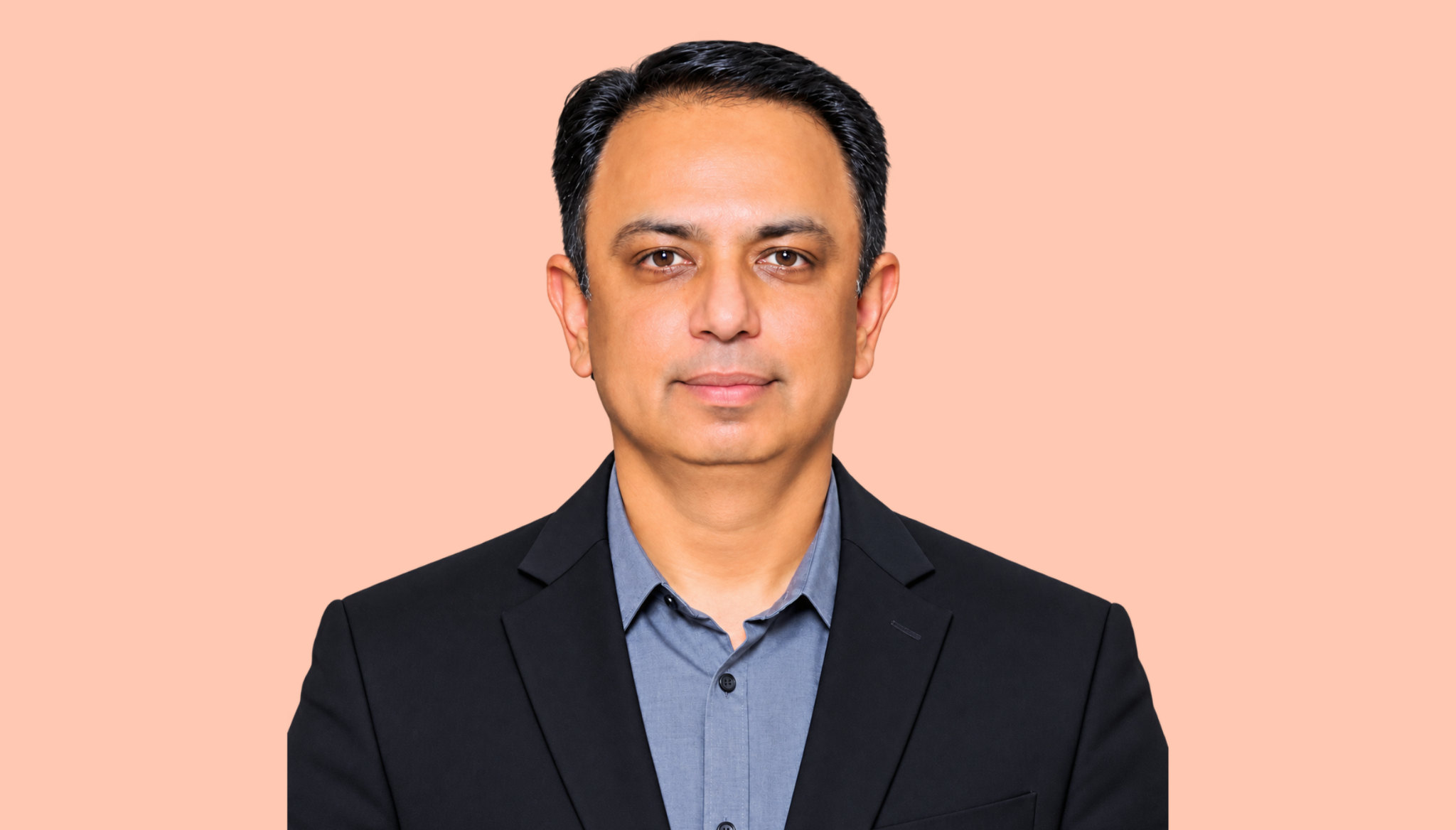
Speaking at the inauguration, Shri Alok Tiwari,
Managing Director, National Informatics Centre Services Incorporated, Ministry
of Electronics & IT, said, “As we move towards
2030, AI will no longer be a buzzword but a foundational layer powering
intelligent agents, national-scale digital systems, and citizen-facing
services. The Government of India is placing strong emphasis on accelerating AI
adoption across ministries and public infrastructure. Cybersecurity, the next
critical frontier, has witnessed a fourfold transformation, particularly in
securing ministries, data centres, and citizen service ecosystems. Post
Operation Sindoor, attackers have intensified their efforts and attempted hits
on government networks have surged nearly seven times, exposing new
vulnerabilities in ministries, data centres, and citizen services. This
underscores the need for advanced defences against ransomware, phishing, and
the growing threat of supply-chain attacks. Another emerging challenge is
quantum computing; by 2028, existing algorithms will face obsolescence, making
it imperative to develop quantum-resilient frameworks. Cloud computing, too, is
scaling at unprecedented speed with hyperscalers enabling rapid expansion and
optimisation of national digital workloads. While the next three to four years
may pose significant technological and security challenges, India is building
strong capacity across government systems.â€
Smt Padma Jaiswal, IAS, Secretary, UT of Puducherry, said, “Cybercrime today has grown into a
trillion-dollar global threat, while our cybersecurity industry is still only a
fraction of that scale. This gap reflects a simple reality: the adversaries are
moving faster than us. From phishing and ransomware to social-engineering
fraud, almost every citizen has faced an attack in some form. As our public
infrastructure, financial systems, and UPI-driven digital economy expand, we
must recognise that our assets now exist as much in the cloud as they do on the
ground. With 5G, AI and autonomous systems transforming governance,
public-private partnerships and shared infrastructure will be essential to
scale secure innovation. Ultimately, strengthening predictive, preventive and
resilient security frameworks is foundational to India’s journey toward a
$30-trillion economy by 2047.â€
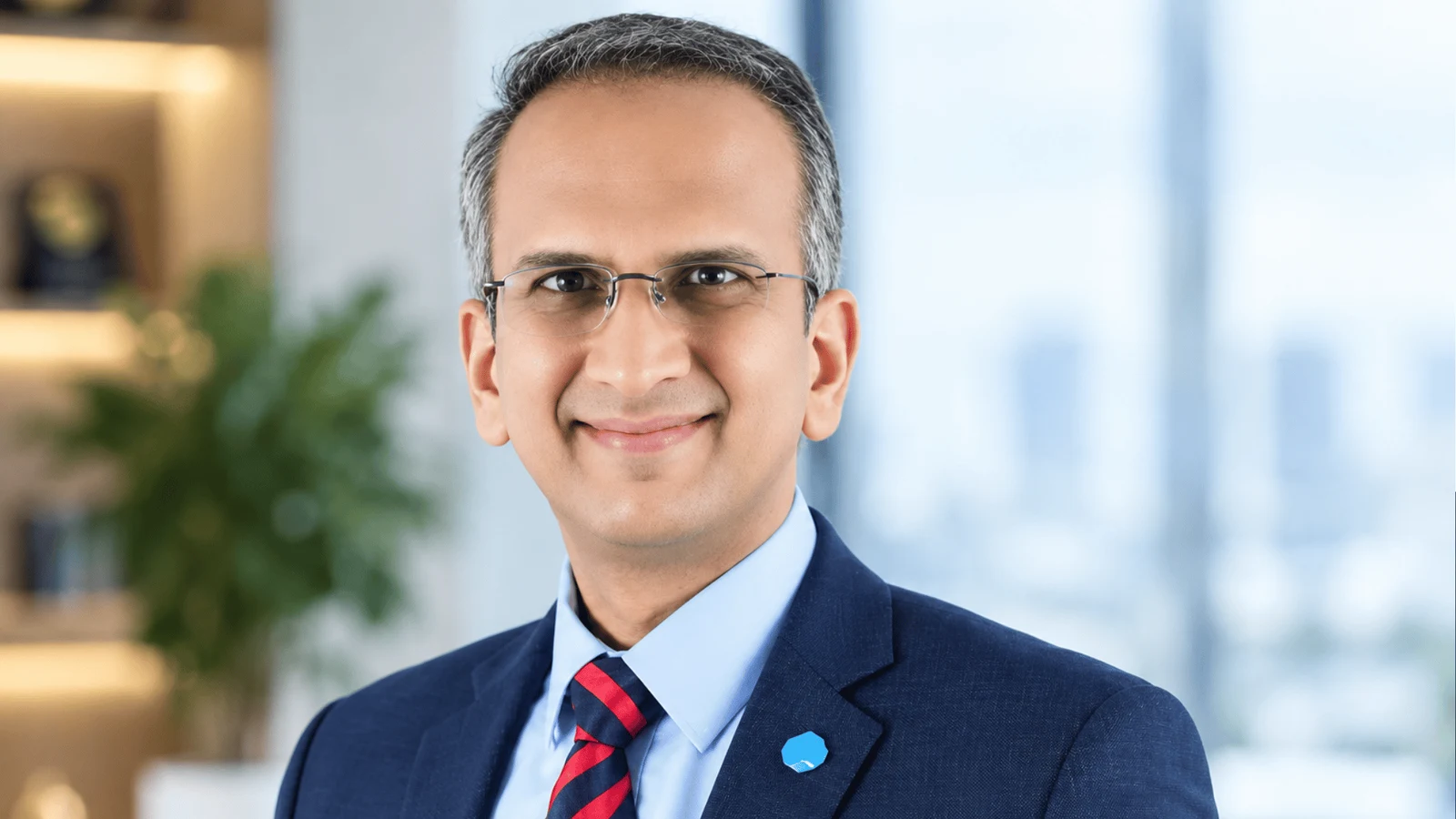
Highlighting the significance of IFSEC India 2025, Mr Yogesh Mudras, Managing Director, Informa Markets in India,
said, “The 18th edition of IFSEC India takes place
in a dynamic industry ecosystem enhanced by rapid urbanisation, accelerated
digital transformation and an urgent national focus on security, preparedness,
and resilience. India’s electronic security market today stands at an
extraordinary ₹1 lakh crore opportunity, growing at 14–18% annually — among the
fastest expansions anywhere in the world. From safe city projects and metro
expansions to smart workplaces, modern retail, industrial automation and
integrated command centres, the demand for intelligent, AI-led and
interoperable security infrastructure is unprecedented. This year’s IFSEC India
is the largest ever — sharper, and more future-ready than ever before — a clear
testament to the industry’s trust in IFSEC as the definitive business platform
where India’s security roadmap is shaped,†he added.
The
event featured participation from leading technology innovators and security
manufacturers including CP PLUS, PRAMA India Pvt. Ltd., Hikvision, Honeywell
Security, Bosch Security Systems, and Dahua Technology, alongside system integrators
and enterprise security solution providers such as Northland Controls, TAPI,
MitKat Advisory, and Dridhg Security International. Their showcases spanned
AI-enabled video analytics, behavioural and facial recognition systems,
mission-critical command centres, smart mobility security, drone-based
surveillance, perimeter protection technologies, access control systems,
IoT-enabled sensors, and next-generation fire and life safety solutions.
Leave A Comment