






















Deloitte India Partners with SANS Institute to Strengthen Cyber Workforce Capabilities in India
Deloitte India has partnered with SANS
Institute to further strengthen its cyber offerings. Through this partnership,
Deloitte India will enable access to SANS' training programs as part of its
broader approach to help organizations build specialized cybersecurity
capabilities in line with the evolving cyber threat landscape.
As cyber threats move beyond traditional IT environments, the
need for advanced capabilities across detection, response and resilience is
becoming critical to sustaining business operations and protecting essential
services. According to the Indian Cybersecurity Skilling Landscape 2025-26
report, jointly developed by SANS Institute and the Data Security Council of
India (DSCI), 73 percent of cybersecurity user enterprises and 68 percent of
cybersecurity solution providers report a limited availability of skilled
cybersecurity candidates. 83 percent of organizations highlight that Artificial
Intelligence (AI)/GenAI security skills are becoming critical, and 57 percent
of cybersecurity solution providers find AI/Machine Learning (ML) security
roles the hardest to fill. This growing skills gap is a key constraint in
strengthening organizational cyber resilience.
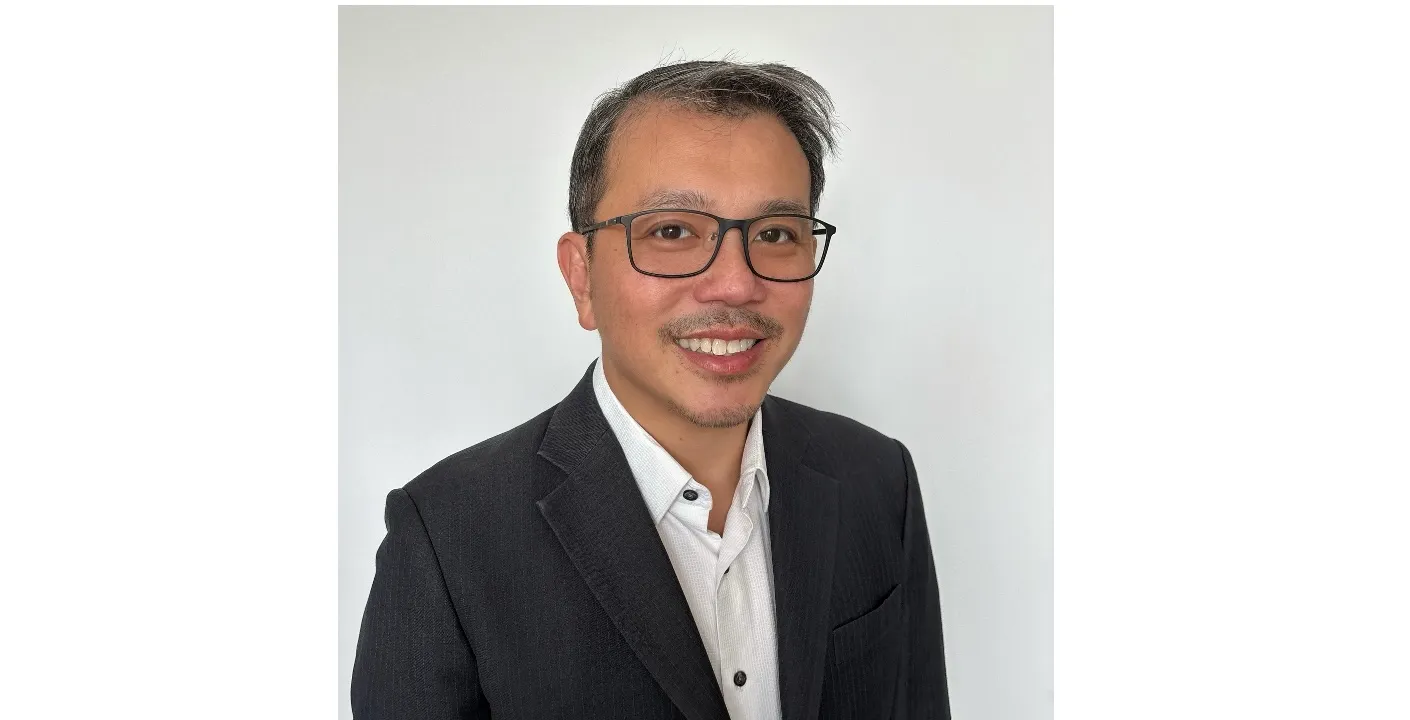
Anand Tiwari, Partner, Deloitte India, said, "As cyber
programs mature and AI becomes embedded across security operations, the nature
of human expertise required is fundamentally changing. Agentic AI is handling
low-level, repetitive tasks across detection, monitoring and initial response.
What organizations need now and will need in the future as well is deep human
expertise that can design, govern, validate and intervene when it truly
matters."
"The cyber talent challenge now centers on scale, depth,
judgement and hands-on mastery across complex environments. This collaboration
with SANS allows us to help clients build precisely that depth. By combining
Deloitte India's end-to-end cybersecurity capabilities with SANS' globally
recognized, practitioner-led training, we are enabling organizations to train
cyber professionals who are ready for today's threat landscape and resilient to
what comes next," added Tiwari.
AI is rapidly reshaping cybersecurity by automating
detection, accelerating threat analysis and changing how defenders respond at
scale. As AI‑driven attacks become more advanced, human expertise remains
essential to guide, validate and apply these technologies responsibly.
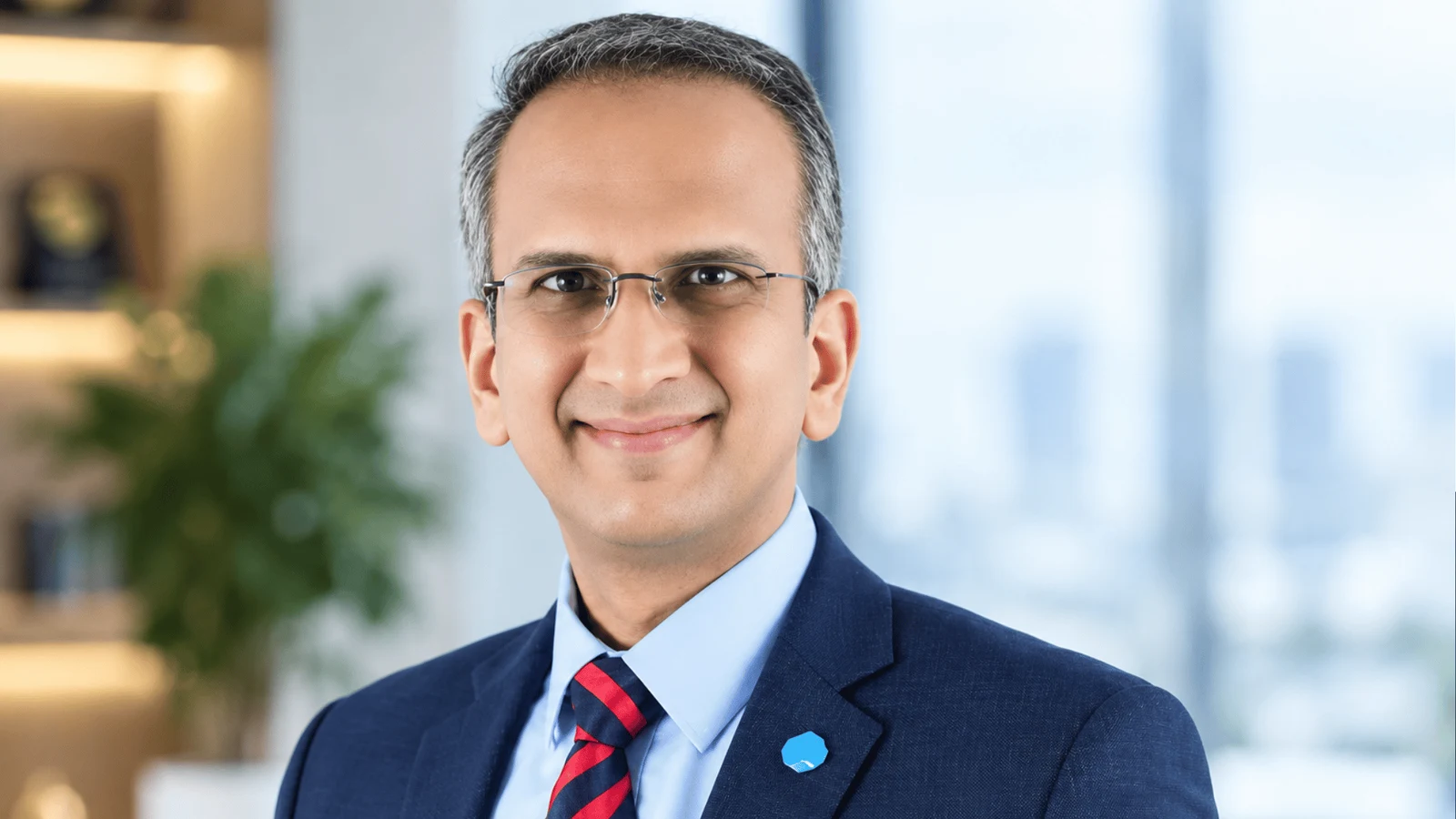
James Lyne, CEO, SANS Institute, said, "India stands at
a genuinely pivotal moment. What we have been watching with growing concern is
the gap between the surface area of attack, the whirlwind of technology change,
and what cyber defenders, hands on keyboard, can actually do when it matters.
This is no longer about not having enough people. It is about having the right
people, with the right skills."
"The skills shortage is not a headcount problem anymore.
It is a depth problem. Adversaries targeting cloud-native architectures,
AI-driven systems and converging IT/OT environments are not waiting for
training programs to catch up. The answer is world-class, hands-on training and
certifications that produce professionals who are ready to operate from day
one," said Lyne.
"India has the ambition, the talent pipeline and the
regulatory momentum to build a cyber defense capability that sets a global
standard. Our partnership with Deloitte supports this goal. Bet on people, and
you change what is possible," added Lyne.
India's rapid expansion of connected and digital ecosystems
is driving demand for specialized cybersecurity capabilities across sectors.
Organizations are continuing to invest in cybersecurity tools and
infrastructure, while also seeking stronger technical depth across teams to
support implementation, monitoring and response. In this context, access to
advanced training can help strengthen readiness and support India's next phase
of digital and economic growth.
Leave A Comment